Consulting for churches and Christian-led nonprofits
Build something that lasts past you.
Your church or nonprofit is growing. The structure under it is thin, and the culture still lives in a few people. We help you name what is true, build the plan and the leaders to carry it, and stay beside you while it multiplies.
Book a free call See how the process works
We help Christian leaders of growing churches and Christian-led nonprofits who fear what they have built will not outlast them build the foundation, the leaders, and the systems that multiply, so the mission lives beyond the founding generation.
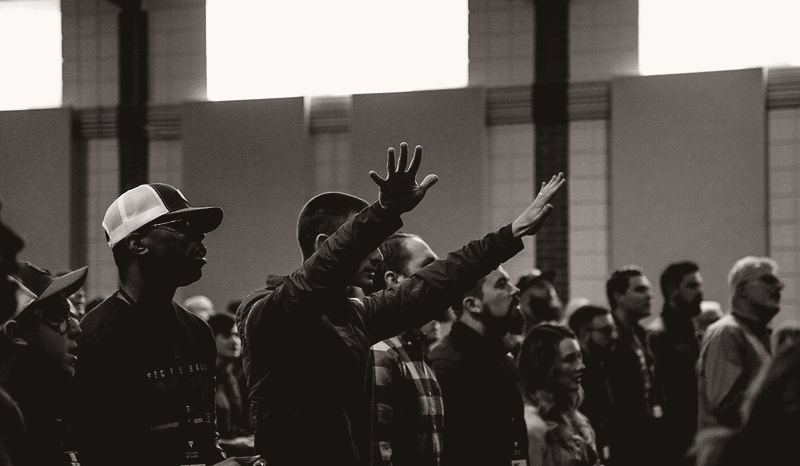
What happens if the structure stays thin?
A church can grow for years on one person's energy. Then the founding generation tires, a campus drifts, or a gifted leader leaves, and the thing everyone loved turns out to have lived in a few people. The pastors we talk to feel it before they can name it. They are anxious, a little alone, and carrying more than one person should.
You do not have to wait for the failure to act on the warning.
What is actually wrong in most growing churches?
Most churches we meet are living in one of three gaps, and many are in all three.
Identity without formation
You may know what you believe, but it has never been named clearly, so it has never been built into how people are formed. There is no clear brand, and no belonging infrastructure.
Strategy without leadership
You have a plan and not yet the people to carry it. Leaders get placed instead of developed. The org chart exists. The growth architecture does not.
Community without multiplication
You have something good and cannot scale it without losing it. The founding pastor is the culture, and nothing yet reproduces it.
Who is MinistryEngine?
We lead the way you do, with you. Our three partners have 90 years of combined ministry experience, have built and pastored churches from 500 to 12,000, and every one of us still serves in active ministry today. We are in the foxhole with you. We know the many hats, the Sunday afternoon emails, and the weight of caring for souls while leading through constant change. We also know the joy of baptizing new believers and watching new leaders grow.
Most churches piece the work out: one firm for hiring, another for a giving campaign, a consultant for small groups. Those fixes rarely connect to the church's strategy. We start with who you are and what you are building, then help with each need, so the pieces fit and the church lasts.
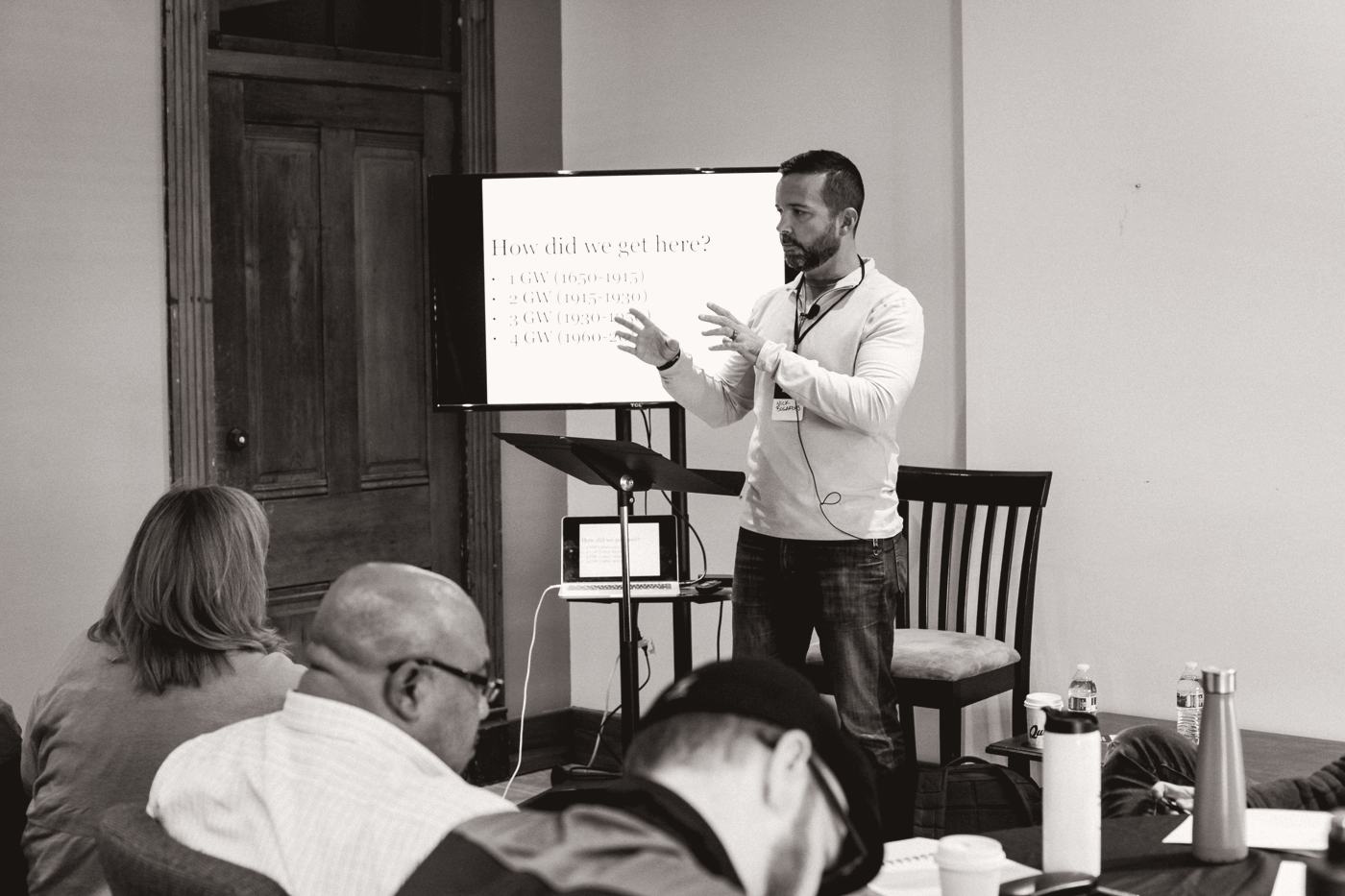
 Brad House
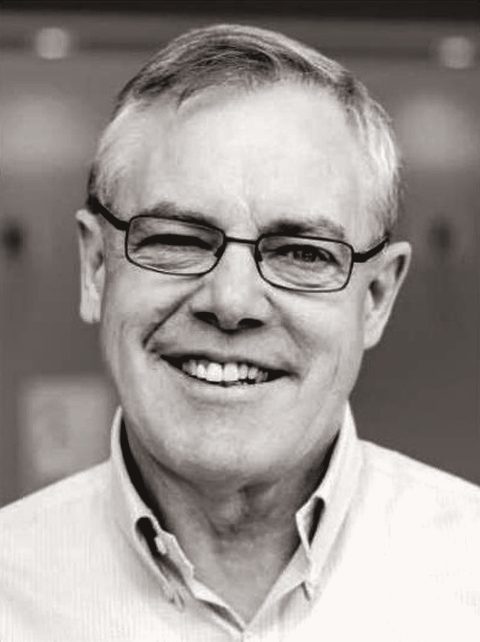 Doug Schmidt
 Nick Bogardus
What do we mean by integration?
Integration means three things line up: who you are, what you say, and what you do.
Identity
What your church or nonprofit believes and who it is for. Named clearly, in one place.
Words
Your communications. How the belief is spoken to attenders, givers, volunteers, staff, and your city.
Actions
Your operations, staff development, and culture. What people actually experience when they show up.
When the three agree, energy compounds and the mission can outlast the founders. When they do not, energy leaks, people sense it, and trust erodes. That is why we start with what you believe and then build the words and the actions to match.
How does the work go?
Four steps, always in this order. The order is the point.
Diagnose
An audit shows the real picture and sets the scope. The type fits the project: church and elder health, staff health, or congregational listening.
Excavate
A Belief Session finds what is already true and records it in a Foundation Document. Team Dynamics and a Strategy Session follow as the project needs.
Architect
Plans built on that foundation: a Communications Playbook, Leadership Pipeline, Org Chart, Development Plans, and more.
Integrate
An experienced partner stays in the room: a Fractional Executive Pastor, a Fractional Communications Director, or Executive Coaching.
Book a free call Read the full process
Not ready for the full process? Start with a cohort.
Who do we work with?
We have served churches and Christian-led nonprofits including Dutton Farm, Magnify, Northwest Gospel, and Stonegate.
Churches
Medium to large churches going multisite, adjusting a model, building groups into the engine of growth, or moving through a leadership transition.
Christian-led nonprofits
Mission-driven organizations that have outgrown their founders' reach and need leaders, strategy, and rhythms that scale. The framework is the same.
Which situation sounds like yours?
Navigating a leadership transition
A church gets through a leadership transition by naming what must survive the change before deciding who leads next, then building the leaders and rhythms so the culture does not depend on the person leaving.
Clarifying your message to support growth
A church clarifies its message by deciding what the church is for before deciding what to say.
Going multisite for the first time
A church going multisite keeps its culture by deciding, before the first campus launches, what is non-negotiable at the center and what each site is free to own.
Adjusting an existing multisite model
A church adjusting its multisite model should first diagnose where it sits between two failures: a franchise, where sites comply without commitment, or fragmentation, where sites own everything and share nothing.
Making groups the growth engine
Small groups drive growth when they are built as a belonging infrastructure with a clear belief, a leadership ladder, defined outcomes, set spaces and rhythms, and a plan to multiply.
Growing a Christian-led nonprofit past its founders
A Christian nonprofit builds leaders as it grows by tying leadership development to strategy and to a steady operating rhythm, so decisions move down to the people closest to the work.
What do we believe?
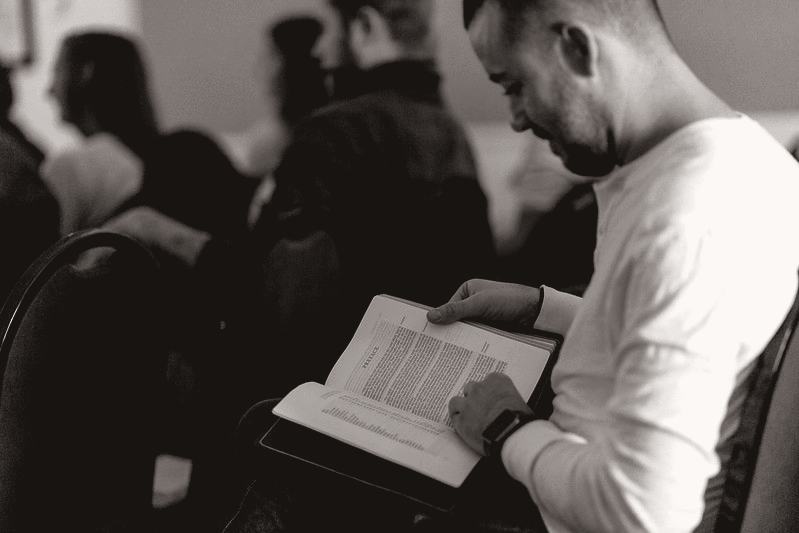
Every leader in ministry eventually asks the same question. How do I build something that matters, with people I trust, in a way that lasts?
Most of us found out what the opposite looks like first. Several of us on this team spent years under leadership where the convictions, the words, and the actions did not agree, and we watched what that does to people and to a church. The cost does not show up in year one. It shows up in staff who stop trusting the story, in leaders who burn out, and in churches that cannot outlast the person at the center.
That sent us on a long search. First, what makes a leader good. Then, harder, what makes an organization good: how a healthy leader builds a church or nonprofit where what it believes, what it says, and what it does all line up: identity, words and communications, actions in operations, staff, and culture. We call that integrity, and we mean more than morals. We mean wholeness. Competency can build something. Integrity is what keeps it standing.
What we have learned is that longevity depends on integrity, in the leader and in the organization, both. A whole church can outlast its founder, multiply its leaders, and carry its culture to a campus the founding pastor will never lead.
We are not writing this from the sidelines. Every one of us is still serving in active ministry, so we are in the foxhole with you. We know the Sunday afternoon emails and the weight of the work. The church is not yours to hold up alone. It belongs to Christ, and that is why you can afford to build it honestly.
The greatest factors for impact in a community are integrity and longevity.
These beliefs shape how we work. See the six principles on the process page.
What does the other side look like?
Pastors move from anxious to confident, because an experienced team is working beside them. From disappointed to hopeful, because the transition has a path. From stuck to moving, because the next step is clear. And the church moves from depending on the founders to reproducing them: leaders, groups, and campuses that carry the culture without you in the room.
Questions people ask
What is MinistryEngine?
MinistryEngine is a consulting firm for churches and Christian-led nonprofits. It helps leaders build the identity, leaders, and systems that last, using a five-stage method called the Integrated Team Process.
Who does MinistryEngine work with?
Lead pastors, executive pastors, elder boards, and the leaders of Christian-led nonprofits. Most church clients are medium to large churches, especially churches going multisite for the first time, adjusting a multisite model, or building groups into the engine of growth.
What is the Integrated Team Process?
It is MinistryEngine's five-stage method: Diagnose, On-ramp, Excavate, Architect, and Integrate. The sequence matters, because each stage makes the next one productive.
How is MinistryEngine different from hiring separate consultants?
Most churches hire one firm for staffing, another for a giving campaign, and a third for ministry advice. Those solutions rarely connect to the church's strategy. MinistryEngine starts with identity and strategy and then helps with each need, so the pieces fit.
Where do I start?
Book a free call. Most churches then begin with the Church Health Audit, which is a low-cost way to see the real picture and scope what comes next.